
Call us now :07971459213
 Send Inquiry
 Send Inquiry
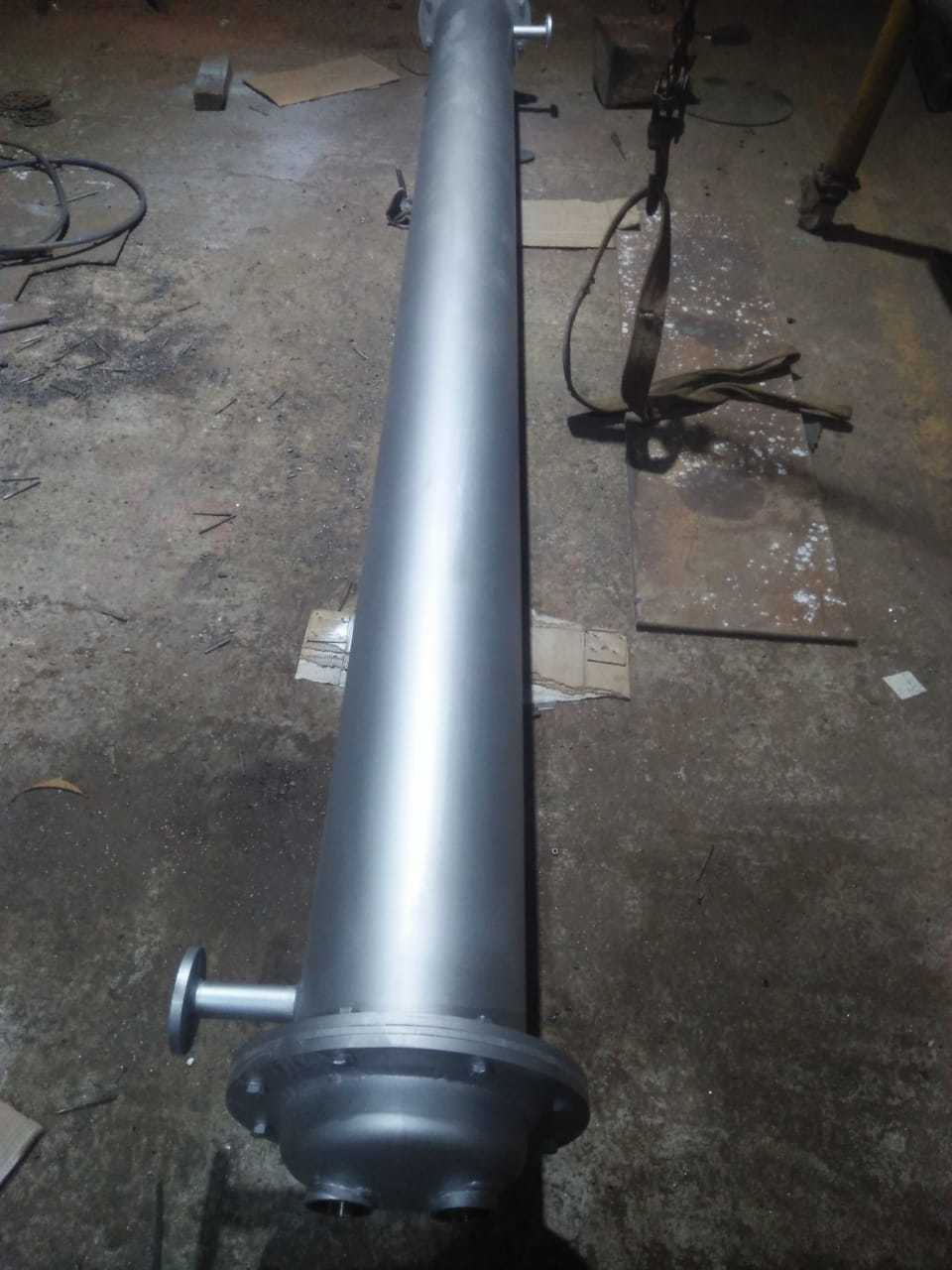
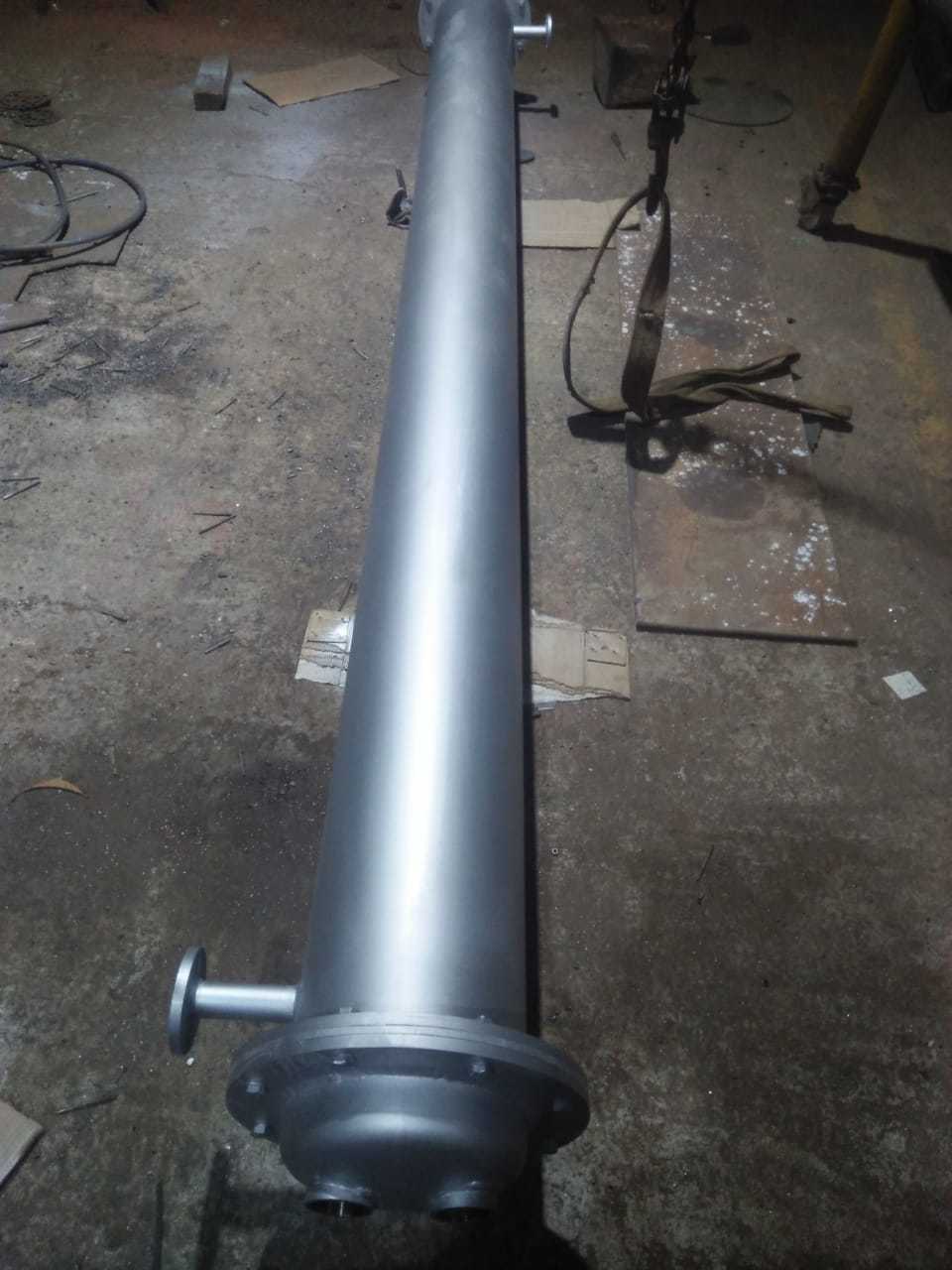
Coimbatore Heat Exchanger
Coimbatore Heat Exchanger Specification
- Diameter
- Shell: 450 mm
- Thickness
- 3 mm
- Temperature
- Up to 150C
- Max Pressure
- 15 bar
- Max. Capacity
- 2000 Litres per Hour
- Number of Pipe
- Approx. 22 tubes
- Condition
- New
- Structure
- Tube and Shell Type
- Liquid Flow Rate
- Up to 2000 LPH
- Working Presssure
- Max 15 bar
- Power
- No power required (Heat Exchanger)
- Weight
- Approx. 150 kg
- Dimensions
- Approx. 1.5m (L) x 0.45m (W) x 0.45m (H)
- Heat Exchanger Type
- Shell and Tube
- Connection Type
- Flanged ends
- Application
- Industrial heating & cooling (Milk, chemicals, oil, etc.)
- Made In
- India
- Surface Finish
- Epoxy painted or polished
- Material
- Mild Steel (MS) / Stainless Steel (SS304/316)
- Mounting
- Floor Mounted
- Corrosion Resistance
- Yes
- Usage
- Transfer of heat between two fluids
- Cleaning
- Easy tube cleaning design
About Coimbatore Heat Exchanger
Coimbatore Heat Exchanger is a device that allow heat to be transferred from one medium to another. This media can be in the form of a gas, a liquid, or a combination of the two. To prevent mixing, the media may be separated by a solid wall or may be in direct touch. Coimbatore Heat Exchanger increase a system's energy efficiency by moving heat from systems where it isn't needed to systems where it is. This lowers the amount of energy required to get the entering fluid up to working temperature.
Premium Industrial Heat Transfer Solution
Our Shell and Tube Heat Exchanger is tailored for multiple industrial sectors, facilitating efficient heat transfer between fluids. Trusted for chemical, dairy, and oil processing, its construction from MS or SS304/316 guarantees longevity and resistance to corrosion. The epoxy-painted or polished finish further enhances protection and hygienic operations. With floor mounting and robust structure, it suits demanding environments.
User-Friendly Maintenance and Operation
Designed with an easy tube-cleaning system, this heat exchanger ensures quick maintenance, reducing downtime. It operates passively, requiring zero external electrical power. The flanged ends support secure installation and hassle-free connections to existing systems, optimizing convenience for any industrial setup.
FAQ's of Coimbatore Heat Exchanger:
Q: How is the Coimbatore Heat Exchanger beneficial for industrial heating and cooling applications?
A: This heat exchanger accelerates the transfer of heat between two fluids, optimizing thermal efficiency in processes like milk pasteurization, chemical mixing, and oil cooling. Its robust construction, high capacity, and corrosion resistance make it suitable for continuous industrial use.Q: What materials are used to manufacture this Shell and Tube Heat Exchanger?
A: The unit is available in Mild Steel (MS) and Stainless Steel (SS304/316), both offering high durability. Stainless steel options especially provide superior corrosion resistance, ideal for food, chemical, and oil industries.Q: When should the heat exchanger be cleaned, and how simple is the process?
A: Cleaning should be performed at scheduled intervals or when performance decreases due to fouling. The exchanger's tube design allows for straightforward access, making maintenance easy and efficient, minimizing operational interruptions.Q: Where can this heat exchanger be installed in industrial facilities?
A: It is designed for floor-mounted installation, suitable for processing lines in dairies, chemical plants, edible oil refineries, and other large-scale industrial setups requiring reliable heat transfer solutions.Q: What is the maximum working pressure and liquid flow rate of this heat exchanger?
A: The heat exchanger operates safely up to 15 bar of pressure and supports a liquid flow rate of up to 2000 Litres per Hour, ensuring adaptability to various industrial processes.Q: How does the flanged-end connection benefit system integration?
A: Flanged ends facilitate secure and robust connections with other pipeline components in industrial systems. This ensures leak-free operation and simplifies installation and maintenance procedures.Q: What are the main advantages of the epoxy painted or polished surface finish?
A: Both finishes enhance durability. Epoxy painting provides excellent resistance to chemicals and wear, while a polished finish ensures easy cleaning and maintains hygienic conditions, essential for food and pharma industries.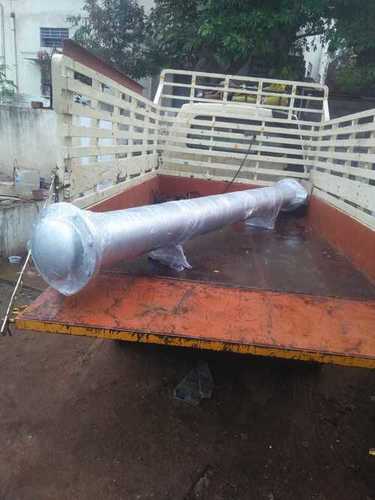
Tell us about your requirement

Price:
Quantity
Select Unit
- 50
- 100
- 200
- 250
- 500
- 1000+
Additional detail
Mobile number
Email

More Products in Heat Exchangers Category
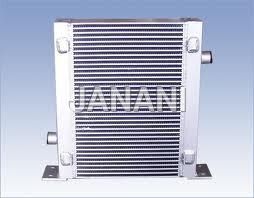
Air Compressor Heat Exchanger
Minimum Order Quantity : 1 , , Unit
Condition : New
Structure : Plate Heat Exchanger
Color : Silver
Product Type : Casting Heating Equipment
Usage : Industrial
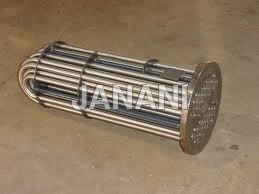
U Tube Heat Exchangers
Minimum Order Quantity : 1 Unit
Condition : New
Structure : tube Heat Exchanger
Color : Silver
Product Type : Fin Tube Heat Exchanger
Usage : Industrial
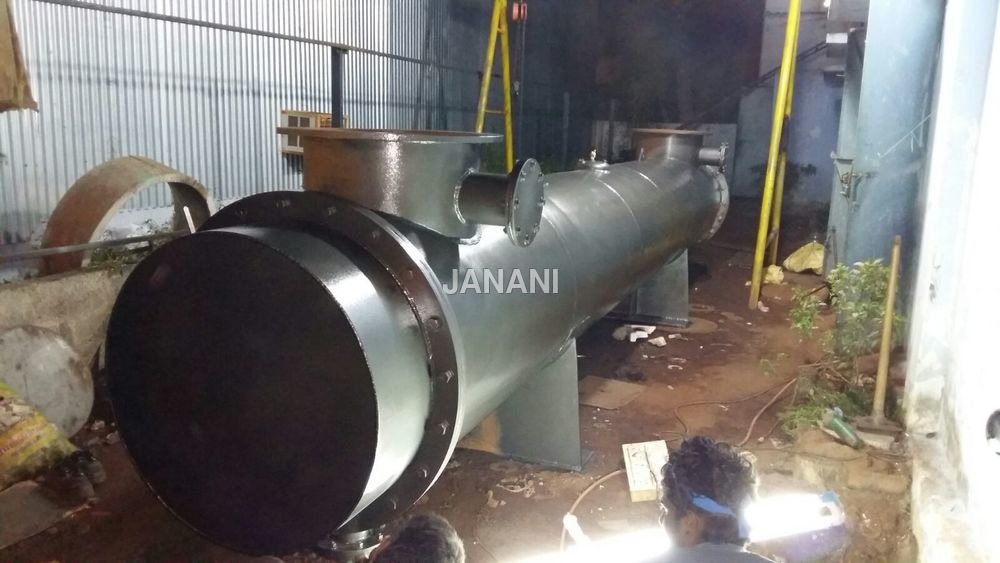
Air Conditioning Heat Exchanger
Minimum Order Quantity : 1 Unit
Condition : New
Structure : tube Heat Exchanger
Color : Grey
Usage : For Industrial Use
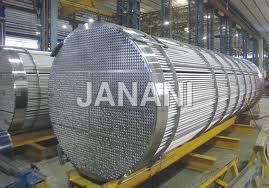
Stainless Steel Heat Exchangers
Minimum Order Quantity : 1 Unit
Condition : New
Structure : tube Heat Exchanger
Color : Silver
Product Type : Heat Exchanger
Usage : Induatrial

We are dealing in Andhra Pradesh, Karnataka, Kerala, Puducherry, Tamil Nadu, Odisha, Telangana only.
JANANI ENTERPRISES, CHENNAI
122, 6th Street, Nanbargal Nagar
Poonamalle,
Chennai - 600 056.
Phone: +(91)-(44)- 4555 8107
Mobile: +(91)-90470 25249 / 98400 25243

 Send Inquiry

Our Products
- Industrial Chiller
- Air Cooled Chiller
- Cooling Towers
- Cooling Towers Spares
- Wooden Cooling Towers
- Industrial Motors
- Sprinkler Irrigation System
- Cooling Tower Parts
- Motor
- Industrial And Engineering Goods
- Commercial Air Conditioner
- Plastic Components
- Industrial Sprinkler
- Fan Blades
- Industrial Nozzles
- Chillers For Extruders
- Chiller Maintenance Services
- Radiators
- Tamil Nadu Water Cooled Chiller
- Tamil Nadu Cooling Towers
- Chilling Plant
- Fan & Fan Blades
- Industrial pipeline services
- Heat Exchangers
- Heat Exchanger Parts
- Centralized Ac & Humidification Plant
- Air Dryer

B No. - 59, Ground Floor, Variety Hall Road, Coimbatore - 641001, Tamil Nadu, India

Mr K. Vijayakumar
(Proprietor)
Mobile :07971459213
 Send Inquiry
 Send SMS
Developed and Managed by Infocom Network Private Limited.


